Transparency first
This article documents a personal observation. I do not have a laboratory-confirmed infection. In addition, I changed my FreeStyle Libre 3 sensor during the observation period. That means there are at least two important confounders. I therefore describe associations and hypotheses, not a proven cause.
Short answer
Yes. Acute illness or infection can raise glucose. Counter-regulatory hormones and inflammatory mediators can increase hepatic glucose output and temporarily reduce insulin action. In people with diabetes or marked insulin resistance, this effect can be more obvious or last longer. At the same time, illness can also lead to lower glucose – for example when food intake falls while insulin or other glucose-lowering medication is still active. [1][2]
For my current series of observations, however, one point matters most: my CGM cannot prove that an infection is the cause of my higher readings. The data only show that I feel less capable of exercising this week and that some glucose values are higher. Sensor change, different meals, training volume, sleep and normal day-to-day variation all need to be considered.
My starting point
For a little over a week, someone in our household has been unwell. I do not have strong symptoms myself, but this week feels different from a normal week: I am more sluggish, it takes me longer to get going in the morning, and on the bike I produce less power for the same perceived effort.
At the same time, I have the impression that my glucose is often around ten to twenty mg/dL above what I usually see. At this stage, that is a personal impression, not a completed statistical analysis.
That distinction is important to me. A CGM makes it very easy to see an unusual week and immediately build a complete explanation around it. But if I want StoffwechselFit to function as a serious practice lab, I also have to say clearly what the data do not yet show.
Why illness can change glucose
study context: well established for acute illness and infection; magnitude varies between individuals
During infection and other forms of physiological stress, the body activates several counter-regulatory systems. These include cortisol, catecholamines such as adrenaline, glucagon and inflammatory signalling molecules. The purpose of this response is to make energy available. At the same time, it can increase glucose production and release by the liver and can make muscle and adipose tissue temporarily less responsive to insulin. [1][2]
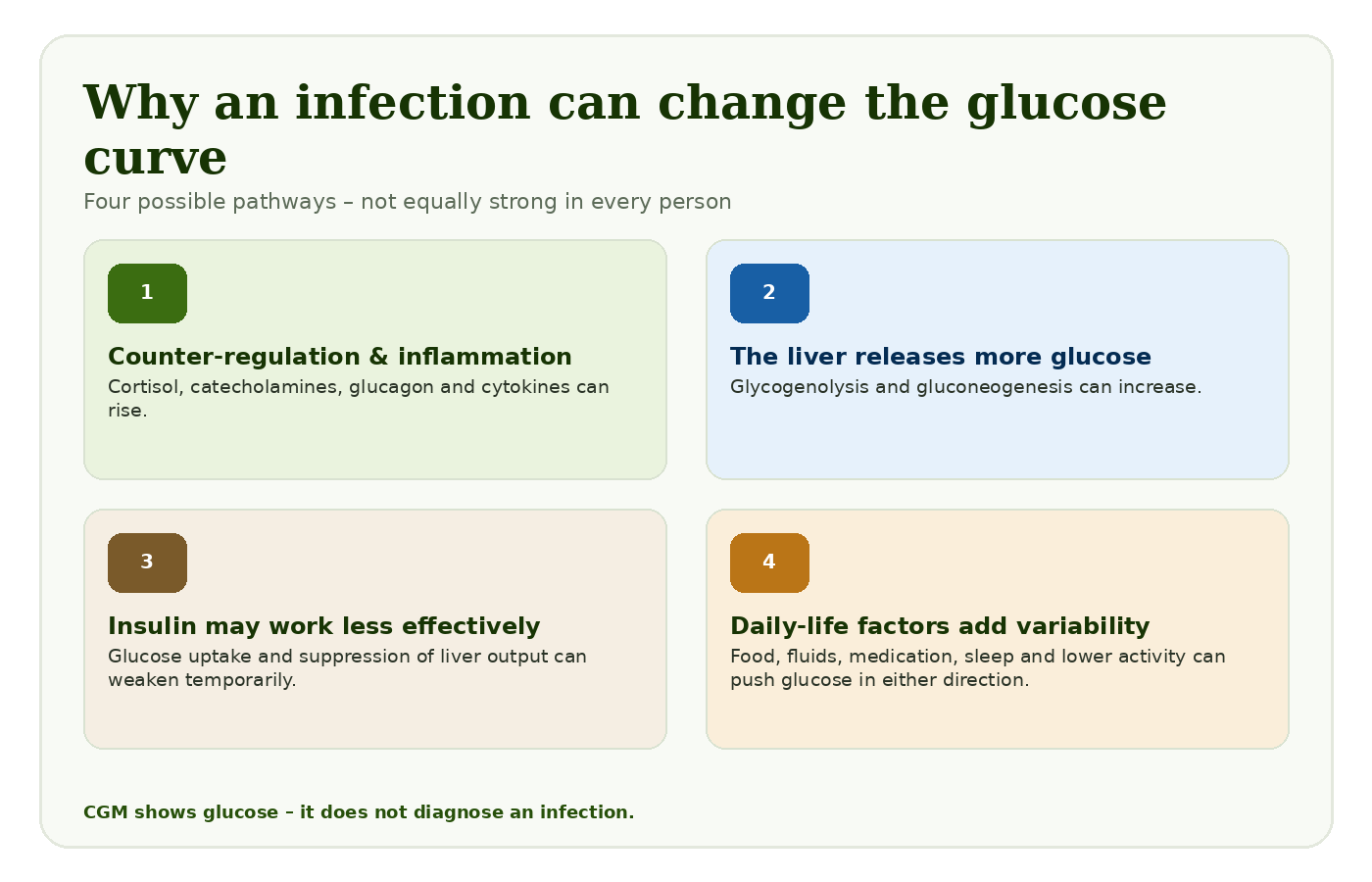
Fig. 1: Four factors that can change the glucose curve during illness. They do not affect every person to the same degree.
This is more precise than the simplified statement that “the body needs more sugar when you are ill.” The metabolic response is not just extra glucose supply. It is an interaction between increased hepatic glucose production, temporarily altered insulin action, inflammation, hydration, food intake and activity. [1][2]
Why insulin resistance may make the effect more noticeable
With insulin resistance, insulin is already less effective at suppressing hepatic glucose production and supporting glucose uptake in peripheral tissues. If an acute illness adds further counter-regulatory signals, glucose may rise more or remain elevated for longer.
This is not an all-or-nothing rule. People without diabetes can also develop temporary stress hyperglycaemia during acute illness. Conversely, a mild respiratory infection will not necessarily produce a visible glucose rise in every person. [2]
Illness does not automatically mean “higher” only
One safety point is often lost in simplified discussions: in people with diabetes, illness can increase the risk of both hyperglycaemia and hypoglycaemia. The ADA Standards of Care 2026 explicitly note both directions. [1]
Why can glucose fall? Someone may eat much less, vomit or have diarrhoea while insulin or glucose-lowering medication with hypoglycaemia risk continues to act. A sentence such as “illness raises glucose” may therefore often be directionally correct, but it is medically incomplete.
For readers, the practical message is to look beyond high values alone. The full glucose trend, symptoms, hydration, food intake and the person’s treatment all matter.
My sensor change is a real confounder
I changed my FreeStyle Libre 3 sensor during this observation period. That alone means I should not automatically attribute a ten-to-twenty mg/dL difference to a possible infection.
CGM systems measure glucose in interstitial fluid rather than directly in capillary blood. Sensor glucose and blood glucose can differ, especially while glucose is changing quickly. Abbott advises checking unexpected or apparently inaccurate sensor values with a blood glucose meter. For evaluating a possible sensor offset, comparisons are most useful when glucose is relatively stable and the trend arrow is horizontal rather than directly after exercise, eating or insulin. [5]
For my practice lab, this is more useful than a blanket statement that a new sensor is “always inaccurate on day one.” If I suspect a sensor is consistently reading higher or lower, I need several clean comparison pairs under stable conditions.
How I would check the sensor as a confounder
I would not judge a suspicious new sensor from one difference. I would take several capillary comparisons while the trend is stable and not immediately after food or exercise. If a consistent difference remains, the sensor itself may explain part of the apparent change in baseline. [5]
An important correction to my first analysis
During the review of this article, I found an interpretation error that I do not want to hide.
The screenshot titled “Average Glucose, 16–22 August 2026” contains several bars with values such as 112, 114, 124, 137, 131, 118, 116 and 114 mg/dL. In the first version, I interpreted those bars as daily averages.
That interpretation is wrong.
Abbott describes the Average Glucose report as showing average sensor glucose for the selected period and averages for different periods of the day. The bars are therefore not separate daily averages. [6]
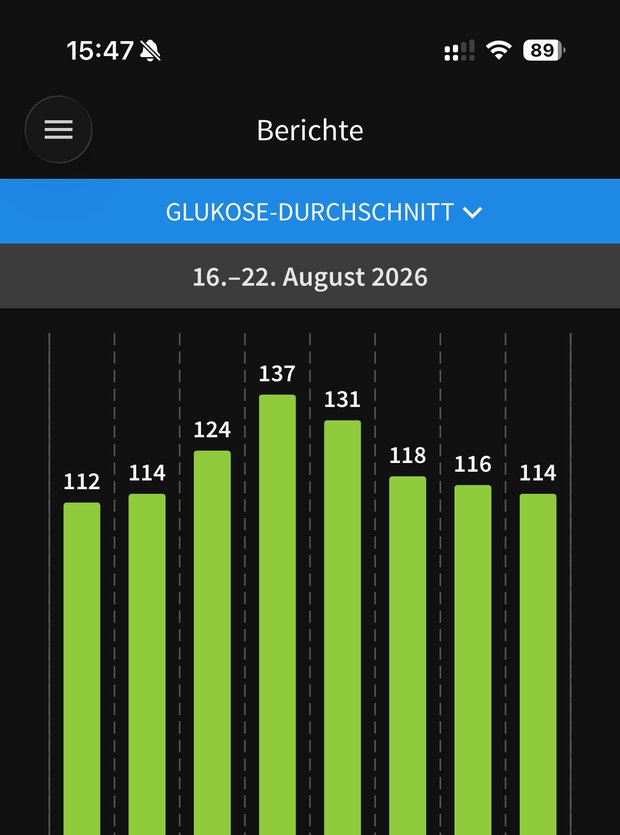
Fig. 2: This report must be read as a time-of-day profile. It cannot be used as research that eight individual days had exactly those mean values.
This correction materially changes the interpretation. The screenshot is still useful because it gives context for my typical glucose level across different parts of the day. But it cannot serve as a simple “week before” set of daily means against which I compare the illness week.
That is precisely why review matters. A transparent correction makes the documentation stronger than an apparently perfect story built on a misread chart.
The individual values that are actually documented
study context: personal CGM data, n=1; not a controlled comparison
Several individual events can be read clearly from the screenshots.
On 22 August at 20:43, my sensor showed 113 mg/dL. The note recorded 6 g carbohydrate.
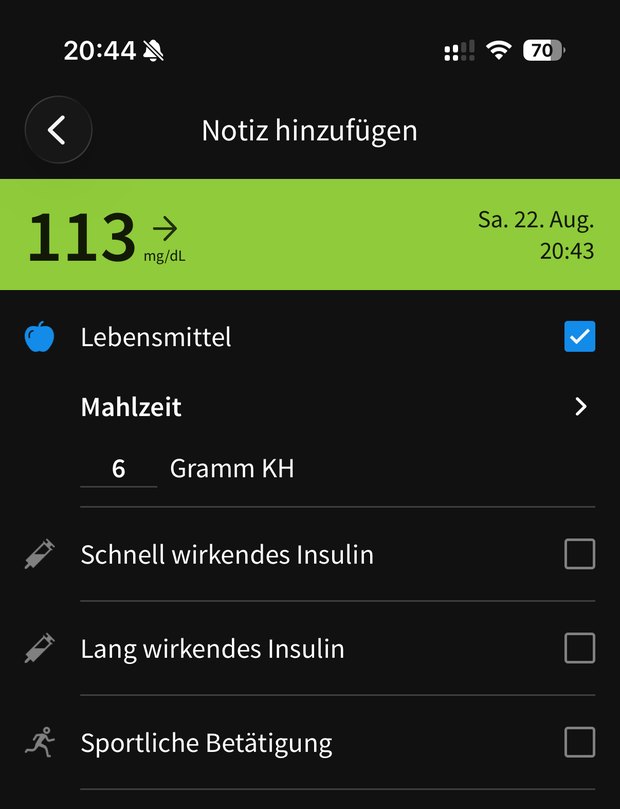
Fig. 3: Reference evening from the week before the current observation.
On 29 August at 19:32, the value was 164 mg/dL with a rising trend arrow. At that time, 22 g carbohydrate were recorded. My other notes contain an additional carbohydrate entry shortly afterwards. If these data are used for a later quantitative analysis, I first need to determine whether both entries refer to the same meal.
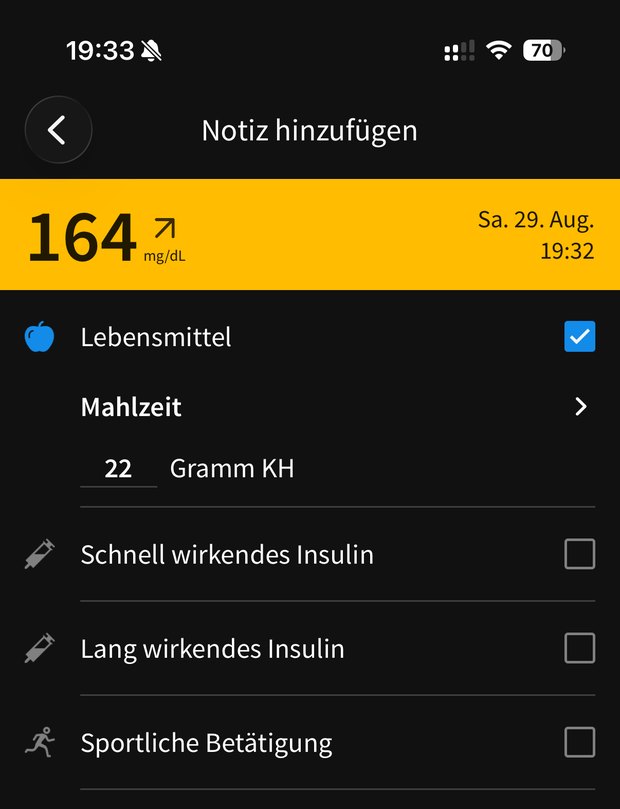
Fig. 4: The value is clearly higher than on the reference evening, but the meal was not identical. This is not a valid direct product or infection comparison.
At 20:17, after a period marked as physical activity, the CGM showed 102 mg/dL.
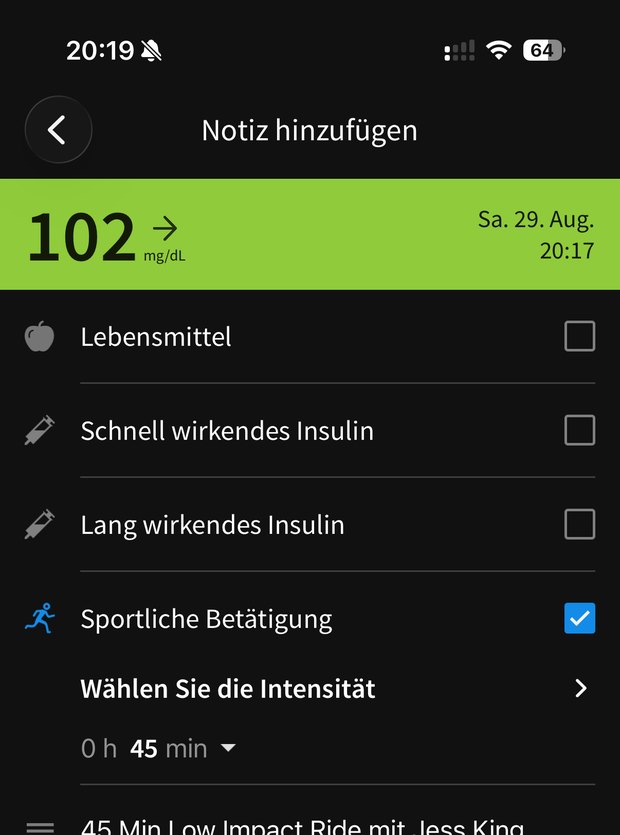
Fig. 5: Sensor glucose declined during a period that included exercise. This is a temporal association, not proof that exercise alone caused the entire fall.
| Date | Time | Sensor glucose | documented context |
|---|---|---|---|
| 22 August | 20:43 | 113 mg/dL | meal, 6 g carbohydrate |
| 22 August | 22:21 | 104 mg/dL | after 30 min ride + 10 min cool-down according to note |
| 23 August | 19:52 | 129 mg/dL | meal, 16 g carbohydrate |
| 29 August | 19:32 | 164 mg/dL | meal, 22 g carbohydrate, rising trend |
| 29 August | 20:17 | 102 mg/dL | physical activity documented |
| 30 August | 00:02 | 120 mg/dL | physical activity documented |
What these values show
They show that individual evenings can look very different and that my glucose declined sharply during a period containing exercise on 29 August.
What they do not show
They do not show that infection caused the difference. The meals were different, the activity pattern was not identical and the sensor changed during the broader observation period. I also cannot claim that exercise alone “trained away” 62 mg/dL between 164 and 102. Digestion, hepatic glucose output, muscle uptake and the normal lag between blood and interstitial glucose all continue at the same time.
Why I feel weaker on the bike
This is one of my most noticeable subjective markers at the moment. I still ride, but I produce less power. The same session feels harder, I need more recovery and I cannot maintain resistance as consistently.
That could fit with an acute infection, but it does not prove one. Sleep, previous training load, hydration and many other factors influence performance.
From a sports-medicine perspective, it is also important not to turn my personal choice to “ride a bit easier” into general advice. research for exercising through a mild acute respiratory infection is limited. Fever, marked fatigue, myalgia, dehydration or cardiopulmonary symptoms such as chest pain, unusual shortness of breath, palpitations or fainting are reasons not to continue training and may require medical assessment. Return to exercise after illness should be gradual. [7][8]
My personal rule for this week
As long as I only feel mildly sluggish, have no fever and no chest, circulatory or respiratory warning symptoms, I reduce the load substantially. I do not use exercise as a way to force a CGM number down. If systemic or cardiopulmonary symptoms occur, exercise is no longer a self-experiment for me.
Sick-day rules: the most important thing is an individual plan
This is another place where the original draft was too broad. The sentence “just keep taking diabetes medication when you are ill” is not correct for every medication and every situation.
The ADA Standards of Care 2026 recommend reassessing diabetes treatment during acute illness. The appropriate action depends on the drug, the person’s treatment and the clinical situation. [1]
- Basal insulin in insulin-dependent therapy must not simply be stopped, because insufficient basal insulin can precipitate ketosis or severe hyperglycaemia. Dose changes may still be needed and should follow an agreed plan or medical advice. [1]
- Metformin may need to be held temporarily if oral intake or hydration cannot be maintained or there is concern for acute kidney injury. [1]
- SGLT2 inhibitors can become problematic during severe acute illness, dehydration, prolonged fasting or ketosis and are often held under sick-day rules in those situations. [1][3]
- GLP-1 receptor agonists may need to be held during illness with significant gastrointestinal symptoms. [1]
- Drugs with a meaningful hypoglycaemia risk may need special attention if food intake falls substantially. [1]
The practical message is therefore not to memorise a medication list from a website. It is to have an individual sick-day plan agreed with the treating team before illness occurs.
DKA and HHS: do not look only at the CGM number
Diabetic ketoacidosis (DKA) is much more common in type 1 diabetes but can also occur in type 2 diabetes, particularly when there is substantial insulin deficiency or when an SGLT2 inhibitor is involved. With SGLT2 inhibitors, DKA can occur even when glucose is not extremely high. [1]
That is why a “not terribly high” sensor value does not rule out a serious situation if typical warning signs are present.
Symptoms that can require urgent medical assessment include:
- persistent vomiting or inability to keep fluids down,
- marked dehydration,
- abdominal pain, nausea and increasing weakness,
- shortness of breath or unusually deep/rapid breathing,
- confusion or altered consciousness,
- high ketones or a ketone result defined as abnormal in the individual sick-day plan,
- very high glucose or glucose that does not improve despite the agreed measures. [1][4]
For people with type 2 diabetes, hyperosmolar hyperglycaemic state (HHS) is another important emergency. It usually involves very high glucose and severe dehydration and is often triggered by acute illness. Suspected HHS requires urgent medical treatment. [1]
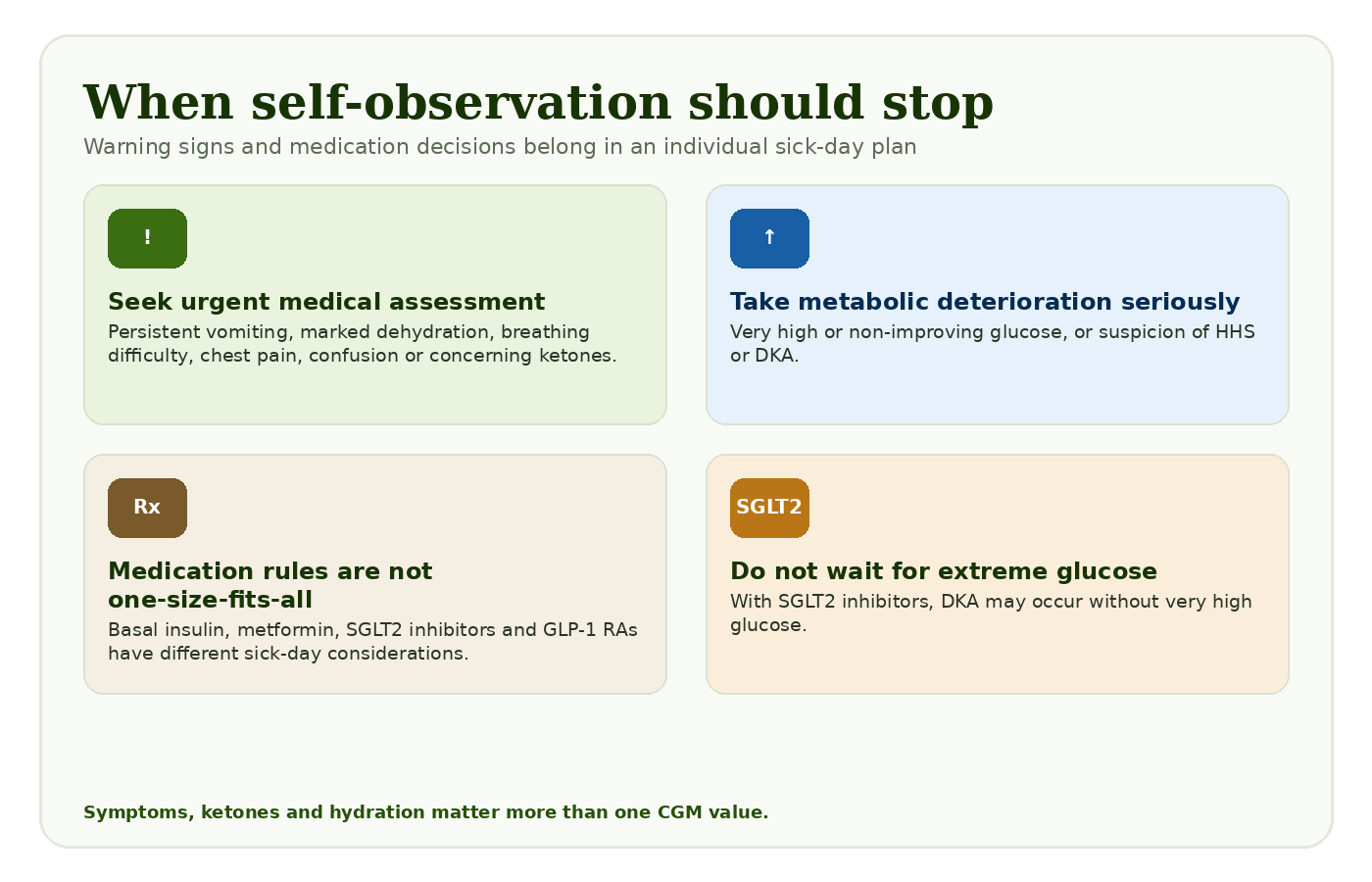
Fig. 6: Urgency is determined by symptoms, ketones, hydration, treatment and the individual sick-day plan – not by one glucose value alone.
How often should glucose be checked during illness?
There is no single number that is correct for everyone.
The ADA recommends assessing whether more frequent glucose monitoring is needed during illness. People at risk of DKA also need ketone monitoring as part of an individual sick-day plan. The ADA patient information, for example, mentions ketone checks every four to six hours when ill, but this is not a universal instruction for every person with type 2 diabetes. [1][4]
With a CGM, the glucose curve is visible continuously anyway. The more important issue is how to respond to patterns and symptoms. If sensor readings do not fit how someone feels or appear implausible, a capillary blood glucose measurement can be important. [5]
How I would validate this observation more rigorously next time
If I genuinely want to know whether a mild illness shifts my glucose baseline by ten or twenty mg/dL, I need more than selected screenshots.
For a better n=1 analysis, I would compare at least the following:
1. Comparable time windows
Not one random evening against another, but the same morning window, for example 06:00–10:00, or the same evening period over several days.
2. Mean glucose and time above my personal reference range
Rather than focusing only on peaks, I want to know whether the entire level shifts over multiple days.
3. Comparable meals or clearly documented carbohydrate exposure
The 113 and 164 mg/dL values cannot be treated as a clean A/B comparison when the meals differed.
4. Training load
Duration, intensity and heart rate should be recorded. “I rode the bike” is too vague for a metabolic comparison.
5. Mark sensor changes
The first days of a new sensor should be clearly marked in a longitudinal analysis. If I suspect a consistent offset, capillary comparisons during stable glucose can help. [5]
6. Symptoms and temperature
Without documented symptoms or a diagnosis, infection remains a plausible explanation rather than a confirmed cause. Temperature, sore throat, cough, myalgia, resting heart rate and general wellbeing help define the timing.
7. Recovery after the illness period
The strongest n=1 pattern would not merely be “higher while someone in the house is ill,” but a reproducible sequence: lower before – higher during the illness period – and then back towards baseline during recovery.
What I can actually say about this week
After revision, the conclusions are narrower than in my first draft – and that makes them stronger.
Supported by general research: Acute illness and infection can increase glucose through counter-regulatory hormones, increased hepatic glucose production and transiently reduced insulin action. [1][2]
Supported by my screenshots: Individual evenings show clearly different sensor values. On 29 August, glucose declined from 164 to 102 mg/dL during a period in which exercise was documented.
Plausible but not proven: That my subjective impression of glucose running roughly ten to twenty mg/dL higher this week is actually caused by an infection.
Not proven: That infection alone explains the difference or that a specific exercise session caused the entire decline.
Known confounders: sensor change, different meals and different levels of activity.
For me, that separation is the real result of the article.
The psychological part: a higher number is not a grade
During weeks like this, I notice how easily I take a sensor value personally. Even though I know that illness, sleep, stress and many other factors affect glucose, a higher number can still feel like a worse result.
That mindset can trigger an unhelpful response: exercising harder, eating less, checking more often and adding pressure precisely when the body may need recovery.
A different interpretation helps me: the CGM is not grading my discipline. It is showing a physiological situation. If my body is ill or under stress, the glucose trace is allowed to look different.
That does not mean ignoring concerning values. It means not turning them into a moral judgement.
What readers can take away
CGM can make changes during illness visible. But it cannot diagnose an infection and cannot prove a cause.
A useful way to approach a similar observation is to separate three levels:
- What does general research say? Illness can raise glucose and alter insulin action.
- What does my own curve genuinely show? Document timing, trend, meals, exercise and symptoms.
- When does the self-experiment end? Warning signs, ketones, dehydration, persistent vomiting, breathing difficulty, chest pain, confusion or a metabolic situation outside the agreed sick-day plan require medical assessment.
Key points
- Infection and other acute illness can raise glucose through counter-regulatory hormones, inflammation and increased hepatic glucose production. [1][2]
- Depending on food intake and therapy, illness can also increase hypoglycaemia risk. [1]
- My impression that glucose is roughly 10–20 mg/dL higher is not yet a completed quantitative series.
- The Libre Average Glucose report with multiple bars displays averages for different times of day, not a series of individual daily means. [6]
- Sensor change is an important confounder; several capillary comparisons under stable conditions can help when a sensor offset is suspected. [5]
- The decline from 164 to 102 mg/dL during a period containing exercise is a personal observation, not proof of an exercise-only effect.
- Medication rules during illness are drug- and situation-specific. Basal insulin, metformin, SGLT2 inhibitors and GLP-1 receptor agonists have different sick-day considerations. [1][3]
- DKA can occur in type 2 diabetes; with SGLT2 inhibitors it may occur without extreme hyperglycaemia. [1]
- Fever, marked systemic symptoms, dehydration or cardiopulmonary warning signs are reasons not to use hard exercise as a self-management strategy. [7][8]
- An individual sick-day plan agreed with the treating team is more important than any generic internet rule.
Frequently asked questions
Can glucose rise before I feel properly ill?
Yes, that is possible because stress and inflammatory responses can start early. But a higher CGM value alone does not diagnose infection.
Can CGM tell me whether I have an infection?
No. CGM measures glucose, not infection. Sleep, stress, meals, sensor variation, medication and many other factors can create similar patterns.
Should I continue exercising with a cold?
That depends on symptoms, medical history and exercise intensity. Fever, marked fatigue, dehydration, chest pain, unusual breathlessness, palpitations or fainting are reasons to stop and seek appropriate medical advice. research for exercise during mild illness without systemic symptoms is limited; light activity may be tolerated by some people but should not be forced. [7][8]
Should I keep taking diabetes medication when I am ill?
There is no single rule that applies to every medication. Basal insulin should generally not simply be stopped in people who depend on it, while metformin, SGLT2 inhibitors or GLP-1 receptor agonists may need to be held temporarily in certain illness scenarios. The correct action should come from an individual sick-day plan. [1][3]
Does everyone with type 2 diabetes need to check ketones when ill?
No. Ketone monitoring is especially relevant when DKA risk is present – for example with insulin deficiency, symptoms suggestive of DKA or SGLT2 inhibitor use. The appropriate timing should be defined in the individual sick-day plan. [1]
How can I check whether a new sensor is reading too high or too low?
If sensor values do not fit symptoms or seem implausible, Abbott recommends a blood glucose check. To assess a possible systematic offset, comparisons are most useful when glucose is stable rather than immediately after food or exercise. [5]
Sources
Sources checked: 30 August 2026.
- American Diabetes Association Professional Practice Committee: Glycemic Goals, Hypoglycemia, and Hyperglycemic Crises: Standards of Care in Diabetes—2026, section “Intercurrent Illness”. https://diabetesjournals.org/care/article/49/Supplement_1/S132/163927/6-Glycemic-Goals-Hypoglycemia-and-Hyperglycemic
- Diabetes and infection: review of the epidemiology, mechanisms and principles of treatment. Review of infection, counter-regulatory hormones, inflammation, hepatic glucose production and insulin resistance. https://pmc.ncbi.nlm.nih.gov/articles/PMC11153295/
- German Diabetes Association (DDG): Diabetes im Krankenhaus – Praxisempfehlung 2025, published in the 2026 recommendations collection. https://www.ddg.info/fileadmin/user_upload/PE_Diabetes_im_Krankenhaus_2025.pdf
- American Diabetes Association: Diabetes and Planning for Sick Days. https://diabetes.org/living-with-diabetes/sick-days
- Abbott FreeStyle Libre: guidance on comparing sensor glucose with blood glucose when readings appear inaccurate; use repeated comparisons under stable conditions and a horizontal trend arrow. https://www.freestyle.abbott/at-de/support/faq/fragen-antworten.html?q=freestyle-libre-systeme-tab-question-50
- Abbott FreeStyle Libre: Average Glucose report – average glucose is displayed for different periods of the day rather than as a list of daily averages. https://www.freestyle.abbott/sa-en/discover-freestyle-libre/understanding-reports-and-data/understanding-the-reports.html
- Ruuskanen O, Valtonen M, Waris M, Luoto R. Sport and exercise during viral acute respiratory illness—Time to revisit. https://pmc.ncbi.nlm.nih.gov/articles/PMC11282332/
- Acute Illness in the Athlete. Overview of contraindications to training during acute illness and gradual return to exercise. https://pmc.ncbi.nlm.nih.gov/articles/PMC7126929/
***Medical notice:** This article combines personal n=1 data with general medical research. It does not replace diagnosis, an individual sick-day plan or medical advice. Severe or worsening symptoms, persistent vomiting, marked dehydration, breathing difficulty, chest pain, altered consciousness, concerning ketone levels or a metabolic situation outside the range agreed with the treating team require timely medical care. Medication should not be started, stopped or changed on the basis of this article.*