Vitamin D and blood sugar: what the research shows – and what it doesn’t
Vitamin D is often presented as a lever for metabolic health. The research is more nuanced than most headlines suggest: what matters most is whether a deficiency exists in the first place.
Translated from the German original. In case of doubt, the German version applies.

Few nutrients are debated as fiercely as vitamin D. Between “miracle cure” and “useless” sits the actual research — and it needs explaining. This article sets out what is established for blood sugar.
Why vitamin D relates to metabolism at all
Strictly speaking, vitamin D is not a vitamin but a hormone precursor. Receptors for it sit in the insulin-producing beta cells of the pancreas, and in liver and muscle cells. Three plausible mechanisms follow: direct involvement in insulin secretion, an influence on low-grade inflammation, and an effect on how sensitively muscle and liver tissue respond to insulin.
That an association exists between low vitamin D levels and type 2 diabetes is well documented in observational studies. The decisive question is different: is the low level a cause or a consequence?
An important distinction
Association is not causation. Excess body fat lowers measurable vitamin D levels, because the vitamin is fat-soluble and distributes into fat tissue. More fat tissue means lower blood readings — at identical intake. Excess weight is at the same time a main risk factor for insulin resistance. Part of the observed association is therefore explained by this shared factor.
What the intervention trials show
This is where it gets interesting — and contradictory. The large D2d trial tested over two and a half years whether vitamin D prevents the progression from prediabetes to type 2 diabetes. The result was sobering: no clear preventive effect.
On closer inspection, however, one methodological point stands out: more than 70 per cent of participants had no vitamin D deficiency to begin with — in both the vitamin D and the placebo group. So what was largely tested was whether extra vitamin D helps people who are already adequately supplied. That little came of it is hardly surprising.
Meta-analyses of trials in people who already have type 2 diabetes paint a different picture. A review of 19 randomised trials found short-term improvements in HbA1c, insulin resistance and insulin levels — but no meaningful effect on fasting glucose. Effect sizes were consistently small.
What this means in practice
The sensible order is: measure first, then decide. The relevant laboratory value is 25-hydroxy vitamin D (25(OH)D), measured in blood. Without it, any dosing is guesswork.
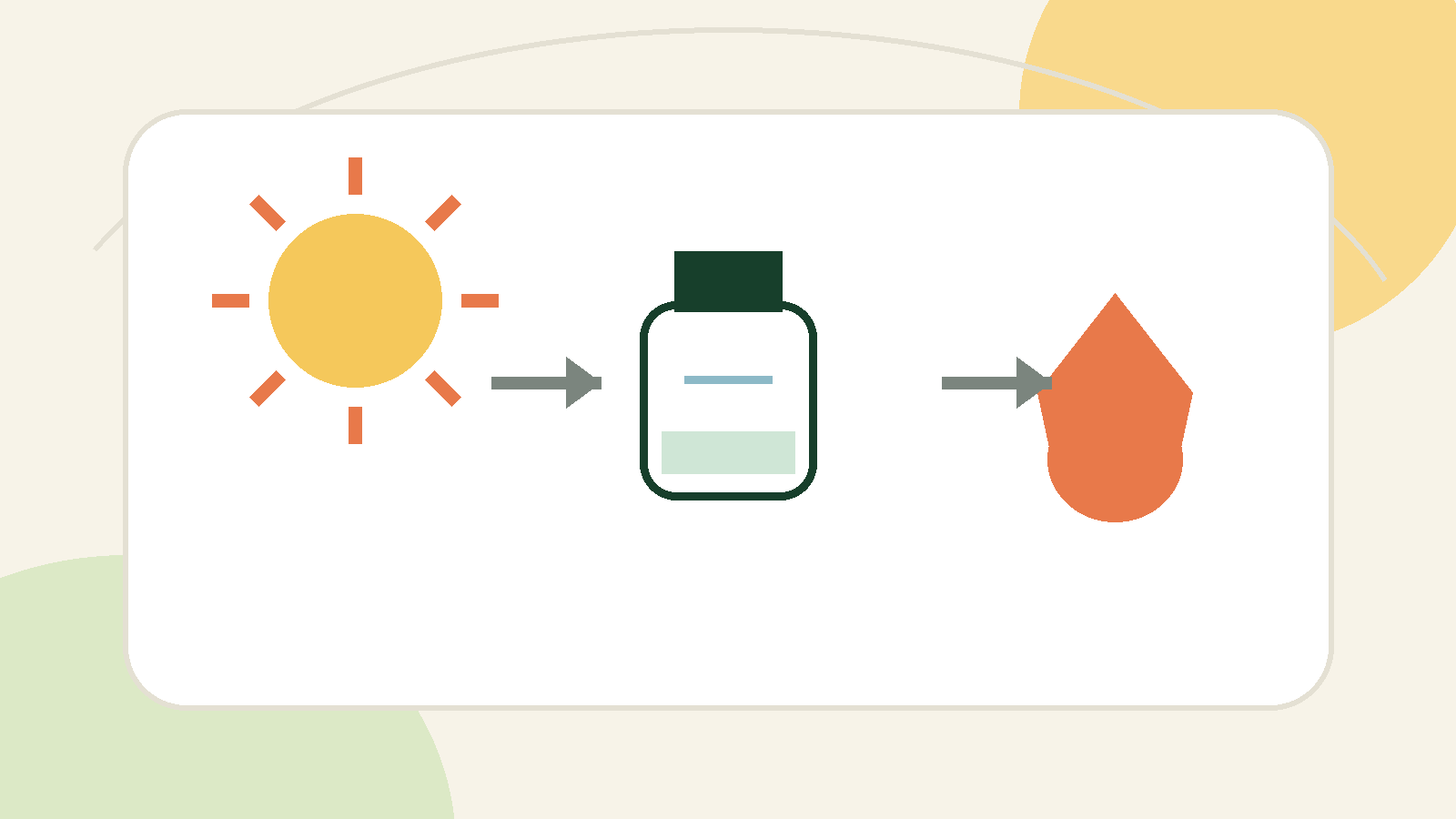
In Germany, deficiency is common during the winter months, because sunlight from October to March is not sufficient for the skin to produce enough. That is an argument for measuring — not automatically for supplementing.
The opposite direction matters too: vitamin D is fat-soluble and is stored. Very high doses over long periods can lead to oversupply with calcium-related problems. “More is better” explicitly does not apply here.
How I handle this myself
I treat vitamin D as a basic-supply topic, not as a blood-sugar tool. For me the value belongs in routine blood work — like ferritin or thyroid markers. If it is low, it gets corrected, because a deficiency matters regardless of blood sugar. But I do not expect a measurable effect on my glucose curve from it — and I have not observed one.
Note: This is a single-case observation (n = 1) and does not replace medical advice. Dosing and target values belong in a doctor’s hands.
What to discuss with your doctor
- Should the 25(OH)D value be measured — and how often?
- Which target range makes sense in your individual case?
- Are there interactions with existing medication?
- Do any pre-existing conditions (such as kidney disease or sarcoidosis) make supplementation risky?
Article ID: SWF-W-034Please quote this ID for corrections or additions.
Sources
Sources as of: 22 Jul 2026.
- Meta-analysis on vitamin D levels, supplementation and insulin resistance in type 2 diabetes. Systematic review. Scientific Reports (2023) (opens in a new window)
- Meta-analysis of 19 randomised trials on HbA1c, insulin resistance and fasting glucose in type 2 diabetes. Medicine / PMC (opens in a new window)
- Assessment of the D2d trial: no clear preventive effect, but over 70 % of participants had no deficiency at baseline. PMC (opens in a new window)
- Systematic review of RCTs: no robust research that supplementation lowers diabetes risk in the absence of deficiency. Cureus (opens in a new window)
The decisive question is not whether vitamin D is biologically connected with glucose metabolism. It is the setting in which supplementation is being considered: documented deficiency, high-risk prediabetes, or established type 2 diabetes. These are three different questions and must not be merged.
Three different questions, three different answers
First: should a deficiency be treated? Yes. A medically confirmed vitamin D deficiency is a health issue in its own right. Treatment primarily supports bone, muscle and calcium metabolism. That does not automatically mean that HbA1c, fasting glucose or CGM traces will improve materially.
Second: can vitamin D modestly delay progression from prediabetes to type 2 diabetes? There is a possible but comparatively small prevention signal. It applies to adults with prediabetes and cannot be transferred to the general population.
Third: is vitamin D a glucose-lowering treatment for established diabetes? the research does not support it as a stand-alone therapy. Nutrition, physical activity, weight management, sleep, clinical care and medication where indicated remain the established levers.
Why the D2d trial and the later meta-analysis do not give the same headline
The D2d trial randomly assigned 2,423 adults at high risk for diabetes to 4,000 IU of vitamin D3 daily or placebo. After a median follow-up of 2.5 years, the hazard ratio was 0.88. Its 95% confidence interval ranged from 0.75 to 1.04 and the primary result was not statistically significant at p = 0.12. The accurate conclusion is therefore that this single trial did not demonstrate a significant risk reduction.
The 2023 individual participant data meta-analysis combined three randomised trials specifically designed for diabetes prevention, involving 4,190 people with prediabetes. In adjusted analyses, vitamin D was associated with a 15% relative risk reduction. The absolute risk reduction over three years was 3.3 percentage points. This is a modest signal, not a dramatic effect, and it applies only to the studied prediabetes population.
Both findings can be true at the same time. A single trial can miss its primary endpoint while a larger pooled analysis detects a small overall signal. Conversely, pooling does not turn a small effect into a universal treatment strategy. The 2026 ADA Standards explicitly describe uncertainties about widespread vitamin D therapy for high-risk prediabetes and emphasise individual consideration of expected benefit, harm, burden and cost.

Separate relative from absolute effect
A 15% relative risk reduction sounds larger than an absolute reduction of 3.3 percentage points. For personal decision-making, the absolute number is usually easier to understand. Fewer participants receiving vitamin D developed diabetes during the observed period, but the difference was limited. It is neither a guarantee of benefit nor a basis for self-prescribing high doses.
In an additional analysis, higher achieved 25(OH)D concentrations during the trials were associated with a much lower risk. This does not prove that people should deliberately target very high concentrations. Such analyses are more vulnerable than the randomised primary comparison to residual confounding, adherence differences and selection effects. They must not be converted into a dosing target.
The laboratory result is a decision aid, not a metabolic score
Vitamin D status is assessed with serum 25-hydroxyvitamin D, abbreviated 25(OH)D. Laboratories report it in ng/mL or nmol/L; as a practical conversion, 1 ng/mL is approximately 2.5 nmol/L. Cut-offs and treatment targets vary with the professional body, laboratory, comorbidities and clinical purpose. A single result should therefore not be interpreted without context.
Measurement method, season, body weight, kidney function, calcium metabolism, medication and all existing supplements also matter. Combining several products can unintentionally create a much larger total intake than expected. Follow-up testing is particularly relevant when a deficiency is being treated or a higher dose has been prescribed.
What I take from this for StoffwechselFit
In my own documentation, I separate vitamin D supply from glucose management. A low value can be corrected without expecting an immediate change in the CGM curve. Conversely, a coincidental improvement after starting a supplement would not prove causality: season, exercise, food, weight, sleep, illness and medication can change at the same time.
A meaningful observation plan would record the laboratory result, the clinician-agreed regimen, important co-factors and a sufficiently long follow-up period. Individual daily CGM curves are not suitable for isolating a vitamin D effect. No new personal readings or doses are introduced in this update.
A safety framework instead of “more is better”
Vitamin D is fat soluble and can accumulate when intake is chronically excessive. Toxicity is mainly mediated through high calcium and can lead to nausea, weakness, marked thirst, kidney stones, cardiac arrhythmias or kidney damage. The NIH lists 4,000 IU per day as the general tolerable upper intake level for adults. This is not a target dose and does not replace a time-limited clinician-directed deficiency regimen.
Extra caution is needed with kidney disease, disorders of calcium metabolism, sarcoidosis and certain medicines. Potential interactions involving thiazide diuretics, steroids, orlistat and some statins should be reviewed by a clinician or pharmacist. Prescribed treatment must not be changed because of this article.

A practical decision path
- Define the question: Is the concern a suspected deficiency, prevention in prediabetes, or treatment of established hyperglycaemia?
- Record total intake: Include combination products, fortified foods and previous prescriptions.
- Review laboratory results and risk: Discuss 25(OH)D, calcium, kidney function and relevant comorbidities with the treating team.
- Keep expectations realistic: Correcting deficiency can be appropriate, but it does not replace established metabolic interventions.
- Monitor the agreed plan: Document duration, dose and planned laboratory review rather than treating short-term CGM variation as proof.
Vitamin D is neither a miracle cure nor irrelevant. Correcting a deficiency is sensible. In prediabetes there is a small possible prevention signal that requires individual consideration. Vitamin D is not established as an immediate glucose-lowering or remission treatment.
Updated sources
- American Diabetes Association Professional Practice Committee for Diabetes. Prevention or Delay of Diabetes and Associated Comorbidities: Standards of Care in Diabetes—2026.
- Pittas AG et al. Vitamin D Supplementation and Prevention of Type 2 Diabetes. N Engl J Med. 2019.
- Pittas AG et al. Vitamin D and Risk for Type 2 Diabetes in People With Prediabetes: Individual Participant Data Meta-analysis. Ann Intern Med. 2023.
- National Institutes of Health, Office of Dietary Supplements. Vitamin D: Fact Sheet for Health Professionals.
Sources reviewed 8 August 2026. Statements apply to the populations studied and do not replace individual medical advice.